The EPSO reasoning test
What it measures
Reasoning does not ask what you know: it measures how fast you read, calculate and spot patterns with the clock running. It is the first filter in almost every competition, you sit it in your language 1, and each section is timed and submitted separately.
Official format
- Verbal reasoning
- 20 questions · 35 min
- Numerical reasoning
- 10 questions · 20 min
- Abstract reasoning
- 10 questions · 10 min
- Pass mark · Verbal reasoning
- 10/20
- Pass mark · Numerical reasoning + Abstract reasoning (combined)
- 10/20
Format taken from eu-careers.europa.eu · verified on September 4, 2026
What the questions look like
Verbal: the answer is in the passage, not in what you know
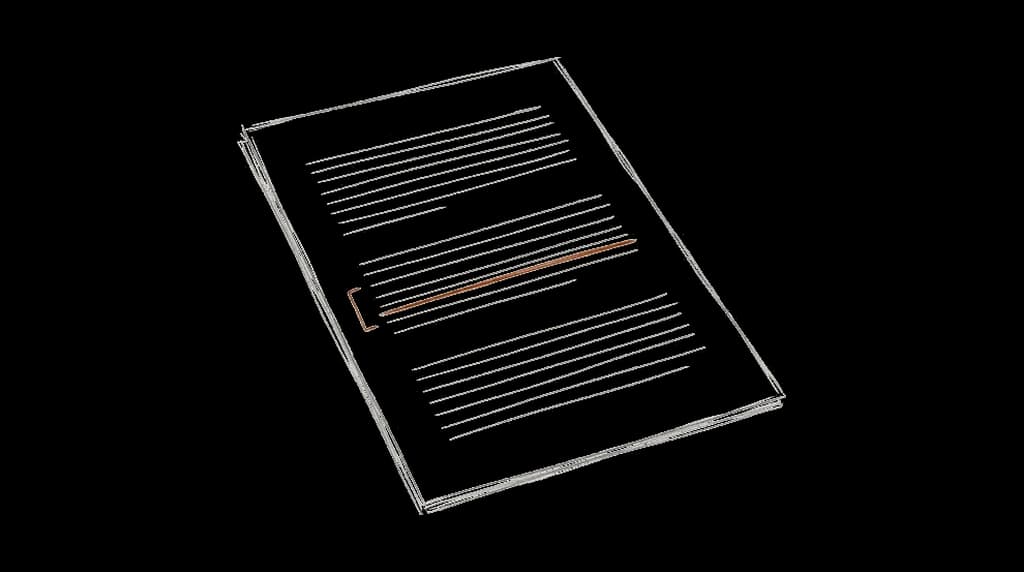

A short passage and four statements; you say which one follows from the passage. The texts are not about the EU — EPSO uses science, history or economics — and outside knowledge gets in the way more than it helps.
The correct option rarely repeats a sentence: it rephrases one, or joins two facts that sit apart. The wrong ones are traps of familiar kinds: they stretch a claim past what the text says, reverse a relationship, or change the degree of something the text does mention.
Numerical: the hard part is finding the figure, not dividing it
A table or a chart and a question that forces you to work with it. Several questions in a row usually share the same data.
The arithmetic is simple; what costs time is locating the right figures, because the columns are not next to each other, or the quantity you need is not in the table and has to be built from two others. One option is often "none of the above", which punishes estimating instead of calculating.
Abstract: one rule per series, and only one
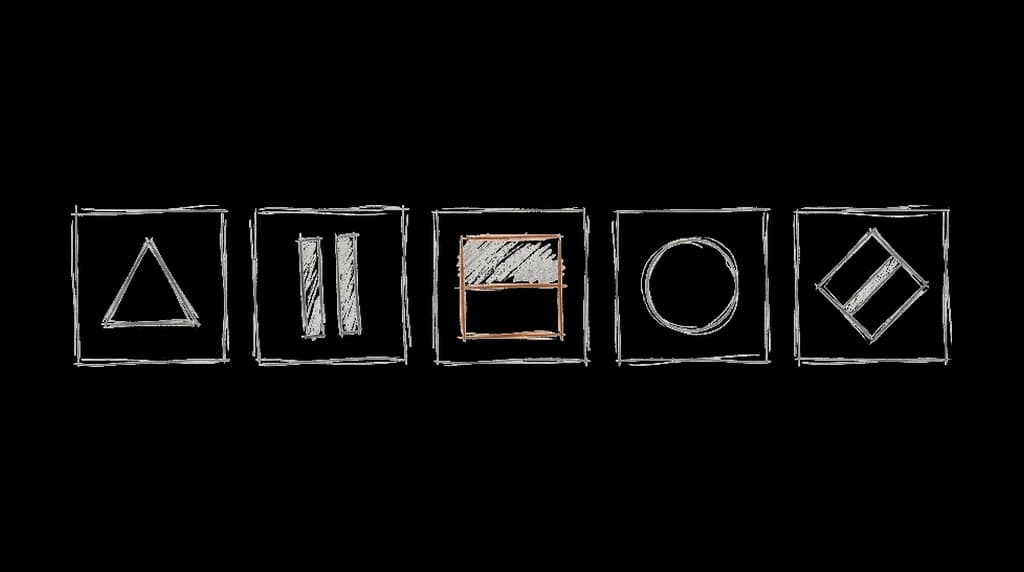
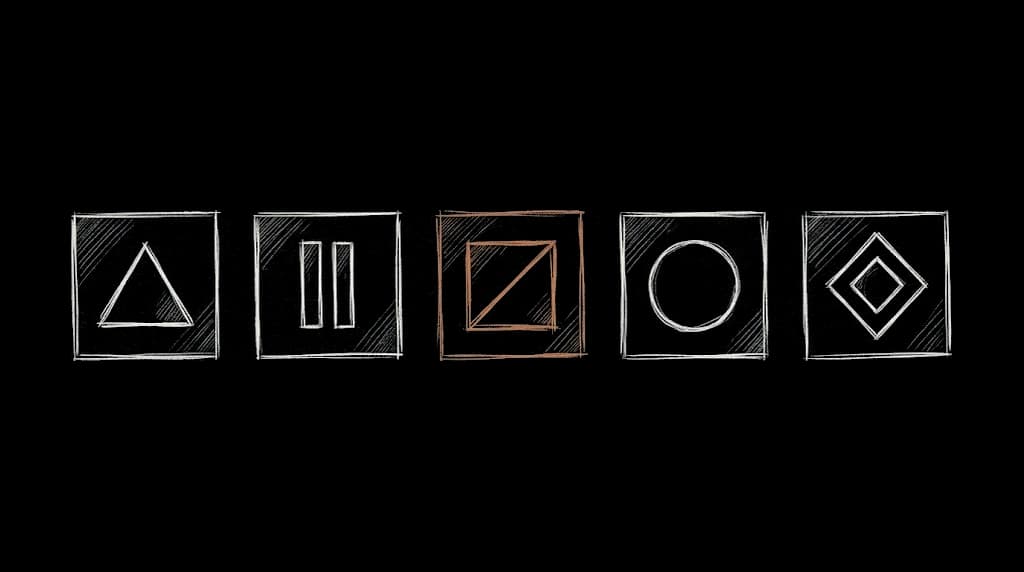
A row of boxes holding shapes that change from one to the next; you pick the one that comes after.
A good series has exactly one rule, and it is never stated: a rotation, something added, something alternating, something moving. It is the section with the least time per question, and the one that punishes getting stuck hardest.
Where people lose it
- The on-screen calculator is not your phone. It lives in the exam toolbar, it opens and closes, and there is no paper to jot an intermediate result on: the notepad is digital too.
- Re-reading the whole passage. In verbal that is where the time goes; people who pass read once, go to the statements, and return to the text only to check.
- Getting stuck on abstract. It has the least room per question: a series you cannot see within the first thirty seconds is cheaper flagged and left behind.
- Practising on easy series. Single-obvious-rule items are solved at a glance and make the test feel manageable, which is the worst possible surprise on the day.
How you practise here
Here you sit the whole test: every section with its questions, the official minutes and the interface EPSO uses — the same toolbar, the same calculator, the same notepad. When you finish you know your score per section, whether you clear each pass mark, and which questions ate your time.
Read on
Illustration generated with AI · Google Gemini (Nano Banana 2), cuenta del propietario · 2026-09-22